.png?width=191&height=191&name=Lizzie%E2%80%99s%20(1).png "Lizzie’s (1)")
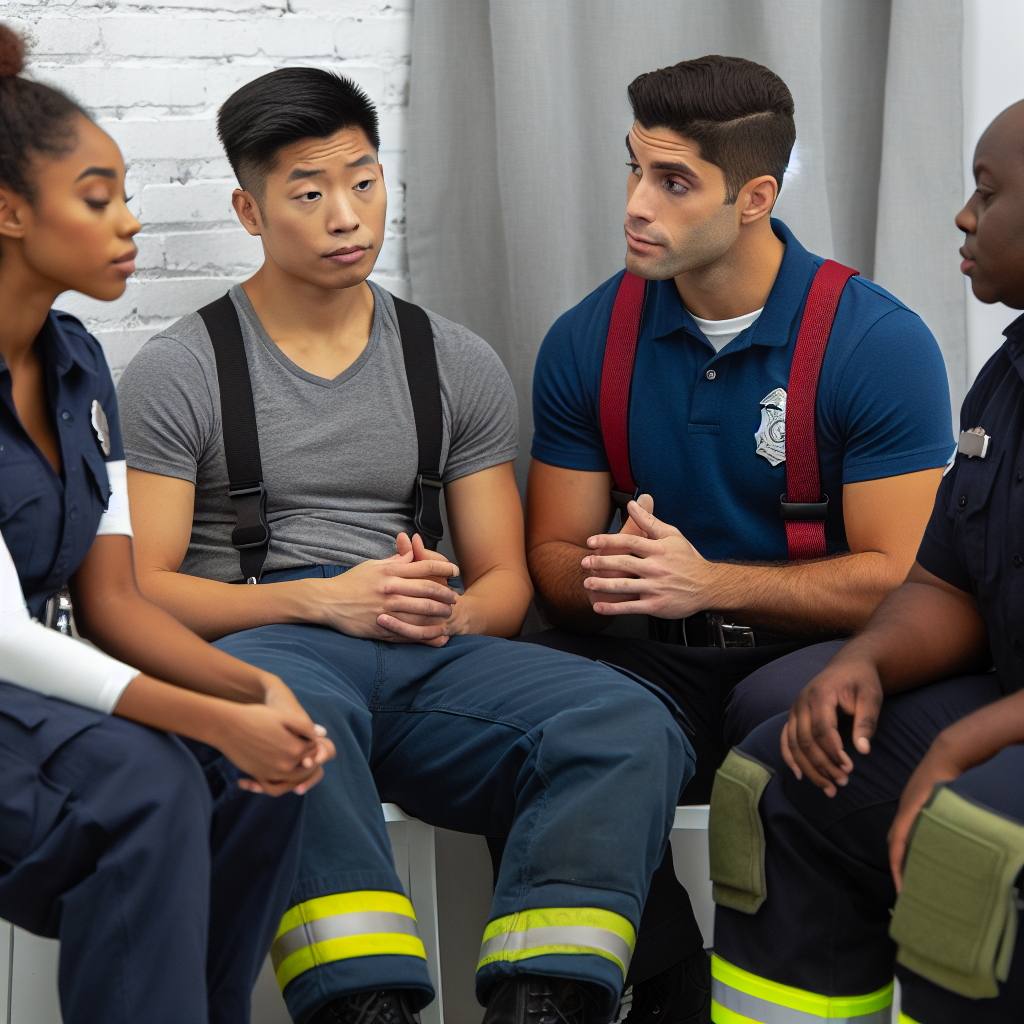
Unlock the power of calm and connection—learn proven de-escalation techniques to foster trust and resilience in high-stress situations.
Understanding the Science Behind De-Escalation
De-escalation is grounded in neuroscience and psychology, particularly in understanding how the brain responds to stress and perceived threats. When someone is in a heightened state—whether due to emotional distress, trauma, or crisis—their nervous system often shifts into fight, flight, or freeze mode. This biological response can make rational communication difficult and increase the likelihood of conflict or misunderstanding.
Effective de-escalation techniques work by helping individuals move from this reactive state into a place of safety and regulation. By recognizing the signs of nervous system dysregulation and understanding the underlying science, first responders and mental health professionals can intervene in ways that foster trust and connection, rather than escalating the situation further.
Practical Strategies for Managing High-Stress Interactions
Managing high-stress situations requires a toolkit of practical strategies. One essential approach is maintaining a calm and non-threatening posture, both physically and verbally, to signal safety. Using a steady tone of voice, relaxed body language, and open facial expressions can help diffuse tension immediately.
Grounding techniques—such as inviting someone to take a deep breath or focus on their immediate surroundings—are invaluable for bringing emotions down from an intense peak. Additionally, setting clear, respectful boundaries and using simple, direct language helps prevent misunderstandings and keeps communication constructive, especially in emotionally charged environments.
The Role of Empathy and Active Listening in Conflict Resolution
Empathy is at the heart of effective de-escalation. When individuals feel genuinely heard and understood, their defenses naturally lower, paving the way for collaborative problem-solving. Active listening involves more than just hearing words—it's about fully engaging with the speaker, reflecting their feelings, and validating their experience without judgment.
By mirroring language, summarizing key points, and asking open-ended questions, first responders and mental health professionals demonstrate respect and care. This approach not only diffuses tension but also builds a foundation of trust, making it possible to guide individuals toward safer and healthier outcomes.
Building Resilience Through Mindful Communication
Mindful communication is about being fully present in each interaction, tuning into both verbal and nonverbal cues, and responding thoughtfully rather than reactively. This practice strengthens resilience—both for the professional and the person in crisis—by fostering a sense of control, agency, and mutual respect.
Developing mindful communication skills allows first responders to remain grounded, even when faced with intense emotions or unpredictable situations. Over time, this resilience becomes a model for others, showing that calm, thoughtful engagement is possible even in the most challenging moments.
Applying De-Escalation Techniques in Real-World Scenarios
De-escalation techniques are most powerful when tailored to real-world scenarios, such as an emergency room, crisis hotline, or mental health intervention. For example, when encountering a distressed patient in the ER, using grounding language and non-reactive communication can quickly shift the dynamic from chaos to calm.
Similarly, in peer support or recovery settings, holding space for pain without becoming reactive allows individuals to process intense emotions safely. By consistently applying these skills, professionals create environments where safety, growth, and healing are not just possible, but expected.