.png?width=191&height=191&name=Lizzie%E2%80%99s%20(1).png "Lizzie’s (1)")
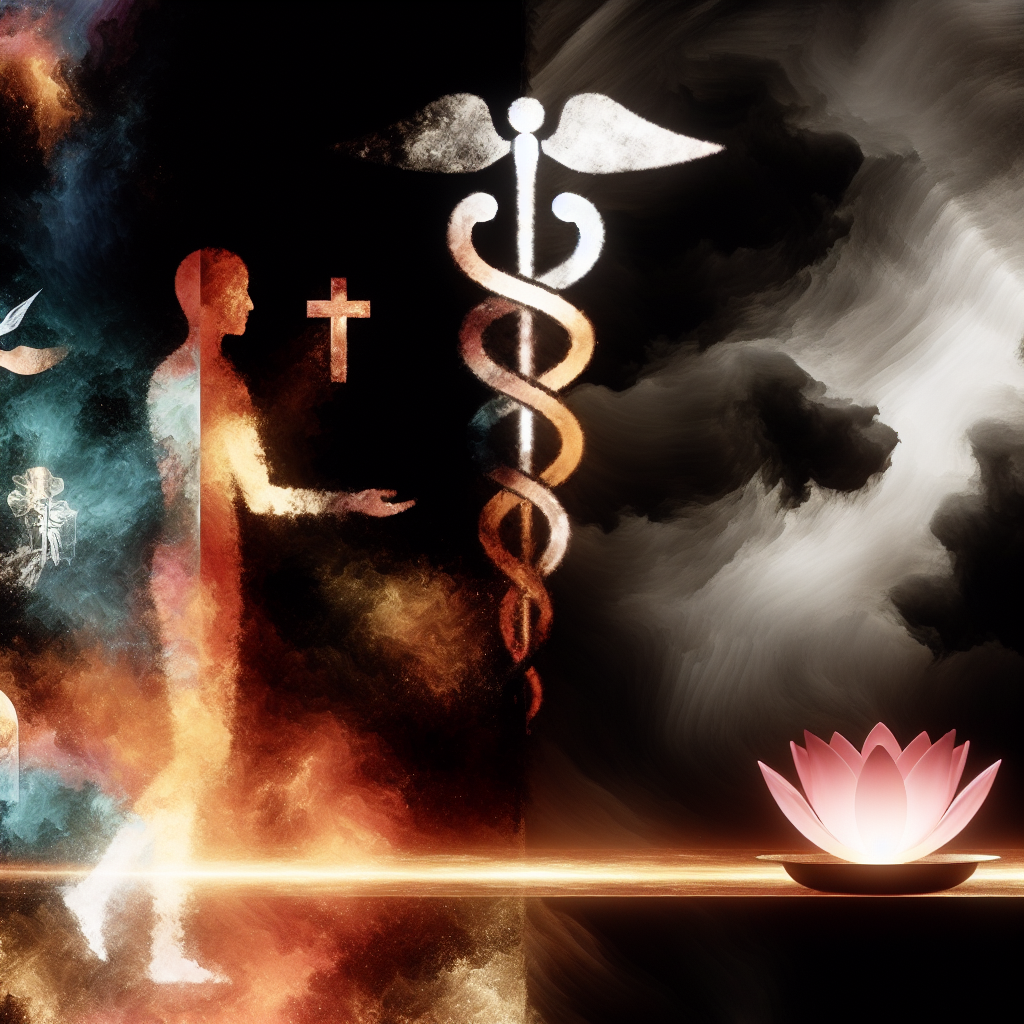
Explore how Jung's archetypes and Hermetic principles intersect with Christian spirituality, offering unique insights for healthcare professionals and first responders facing the shadows of trauma and healing.
Unveiling the Shadow: Understanding Jung’s Archetypes in Christian Context
Carl Jung’s theory of archetypes provides a compelling framework for understanding the full spectrum of human experience—including the light and shadow within us all. In the Christian context, archetypes such as the Hero, the Caregiver, and the Sage can be seen in the lives of saints and biblical figures, while the Shadow represents those aspects of ourselves we often deny or suppress.
For Christians, this confrontation with the shadow is not just psychological, but deeply spiritual. Recognizing that every individual contains both light and darkness allows believers to approach their own flaws and struggles with humility and compassion, echoing the biblical call to self-examination and repentance.
The Devil as God’s Shadow: Bridging Psychological and Spiritual Paradigms
The provocative idea that the Devil is God’s shadow finds roots in both Jungian psychology and Hermetic philosophy. Jung posited that what we reject or fear in ourselves becomes our shadow, which if unintegrated, can control us unconsciously. In Christian tradition, Satan is often seen as the embodiment of evil, forever cast out and unforgiven.
By recognizing the Devil as a shadow archetype, Christians are invited to reflect on the deeper meaning of forgiveness and redemption. If all archetypes dwell within us, then even our darkest impulses are not external enemies, but internal experiences to be faced, understood, and ultimately forgiven. This perspective does not equate Christ with the Devil, but rather highlights the transformative power of acknowledging and integrating our shadow.
Hermetic Wisdom and Christian Teachings: Paths to Inner Healing
Hermetic principles, especially the Law of Polarity, teach that opposites are two sides of the same coin. Light and dark, good and evil, are interconnected and necessary for growth. This philosophy complements Christian teachings on forgiveness and grace, suggesting that healing comes not from the denial of darkness, but from its acceptance and transformation.
For first responders and healthcare professionals, embracing Hermetic wisdom alongside Christian spirituality can offer new tools for inner healing. The journey toward wholeness involves forgiving oneself and others, recognizing that divine light can only shine fully through a heart that has moved beyond judgment into unconditional love.
Relevance for First Responders: Embracing Light and Shadow in Trauma Recovery
First responders frequently face situations that test the limits of their compassion, resilience, and faith. Trauma can trigger intense feelings of anger, fear, or guilt—emotions often associated with the shadow archetype. Ignoring or suppressing these feelings can lead to burnout, compassion fatigue, or moral injury.
By embracing both the light and shadow within, first responders can approach their own healing with the same empathy they extend to others. Integration of these archetypes empowers individuals to forgive themselves and their peers for being imperfect, creating a supportive environment for true recovery and spiritual growth.
Integrating Archetypes into Holistic Healthcare: Practical Approaches for Spiritual Well-Being
Holistic healthcare increasingly recognizes the importance of spiritual well-being in recovery and resilience. Integrating Jung’s archetypes and Hermetic principles into counseling, peer support, and trauma care provides a language for discussing the complexities of good and evil, light and shadow.
Practical approaches include guided self-reflection, group dialogue on forgiveness, and spiritual mentorship that encourages honest exploration of the shadow. For Christian first responders, these practices can deepen faith, cultivate compassion, and foster a more profound sense of connection to both God and community.